
The Ampersand: The Evolution of a 2,000-Year-Old Brand
If type symbols had celebrity status, the ampersand would be that omnipresent icon that inexplicably never goes out of style. My own brand proudly claims the ampersand as its mark, but long before it landed in my logo, it had already built one of the strongest, longest-running brand identities in design history.
The ampersand has survived this long because it’s remained relevant and has always changed with the times. Consider this your friendly reminder that even the most beloved brands need a refresh now and then, even ancient ones.
The Ampersand’s Brand Launch
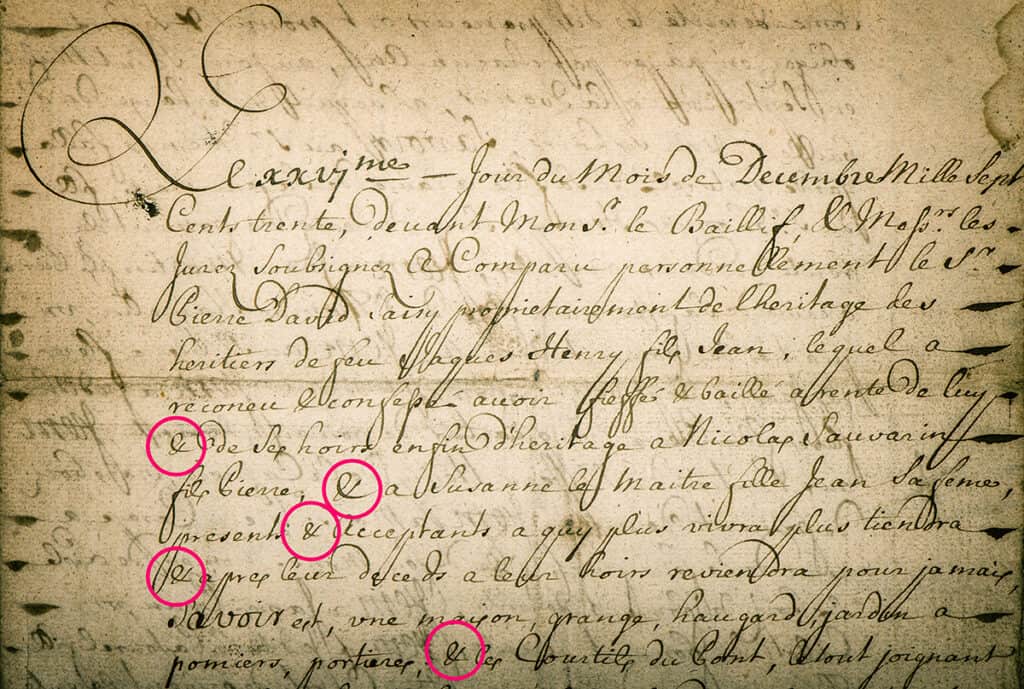
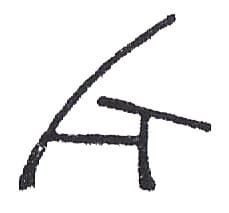
The ampersand’s oldest known use was in ancient Pompeii. It was a simple ligature of the letters E and T, forming the Latin word et, meaning “and.” Over time, scribes linked the “e” and “t” in a flowing, efficient symbol, a practical shorthand that also had unmistakable visual character. For a deep-dive, read how the mark developed in manuscript traditions. By the 19th century, the English alphabet included the ampersand at the end …X, Y, Z, &. Children reciting the alphabet would finish with the phrase “X, Y, Z, and per se and,” — literally “and, by itself, ‘and’.” That recitation eventually slurred into the modern name ampersand.
The Glow-Up Era:
From Practical Symbol to Design Darling
As writing and printing evolved, so did the ampersand. Medieval scribes gave it flourishes and printers across the Renaissance and beyond interpreted it differently in Roman and italic styles — type-history notes on its many forms is available on the Ampersand’s Wikipedia page. If you compare ampersands across fonts you’ll notice a wide variety of execution, and that’s part of the magic.

Baskerville
Literary and refined

Garamond
Timeless and bookish

Futura
Utilitarian and tidy

Ultra
Practially sculpture

Abril Fatface
Decorative and feminine

Bungee
Chunky and funky

Funkydory
"Et" with flourish

Confitera Script
The "Et" is clear

Copperplate
8 and & had a baby.
Type foundries and design resources have written essays devoted to ampersand design; a concise look at ampersands in contemporary type is collected in a small manual from MyFonts [PDF].
There was also a different shorthand “et” in antiquity: the Tironian et, invented by Marcus Tullius Tiro (Cicero’s secretary). That mark is a fascinating sidebar in shorthand history. Over time that variant faded while the ligature we recognize as “&” endured.
The Secret to Timelessness is Reinvention
For roughly two millennia, the ampersand has stayed relevant because it never insisted on looking exactly the same. It evolves with culture, design trends, and technology. Early manuscripts employed the ampersand as a practical ligature. With the advent of printing and typeface development, roman and italic ampersands began to flourish and in digital typography we see ongoing reinterpretations for modern media and big screens.
No symbol has had more rebrands, with each reinterpretation elevating its relevance to a new audience or technology.
What About Your Brand?
A brand is not a museum piece. It’s a living identity that should grow as your audience, your industry, and design sensibilities evolve. The secret is keeping the essence while refreshing the execution.
If a symbol invented by Roman scribes can reinvent itself for two millennia, your brand can handle a refresh too. Typography evolves. Audiences evolve. Aesthetic expectations evolve. Strong brands don’t resist change — they harness it. And if you ever need inspiration for how to adapt gracefully through the ages, remember the little symbol that could: a tiny ligature that became a global icon by simply refusing to stay the same.
Recent branding projects
Andiamo specializes in branding small businesses. Below are samples of recent projects, or view the full branding portfolio.